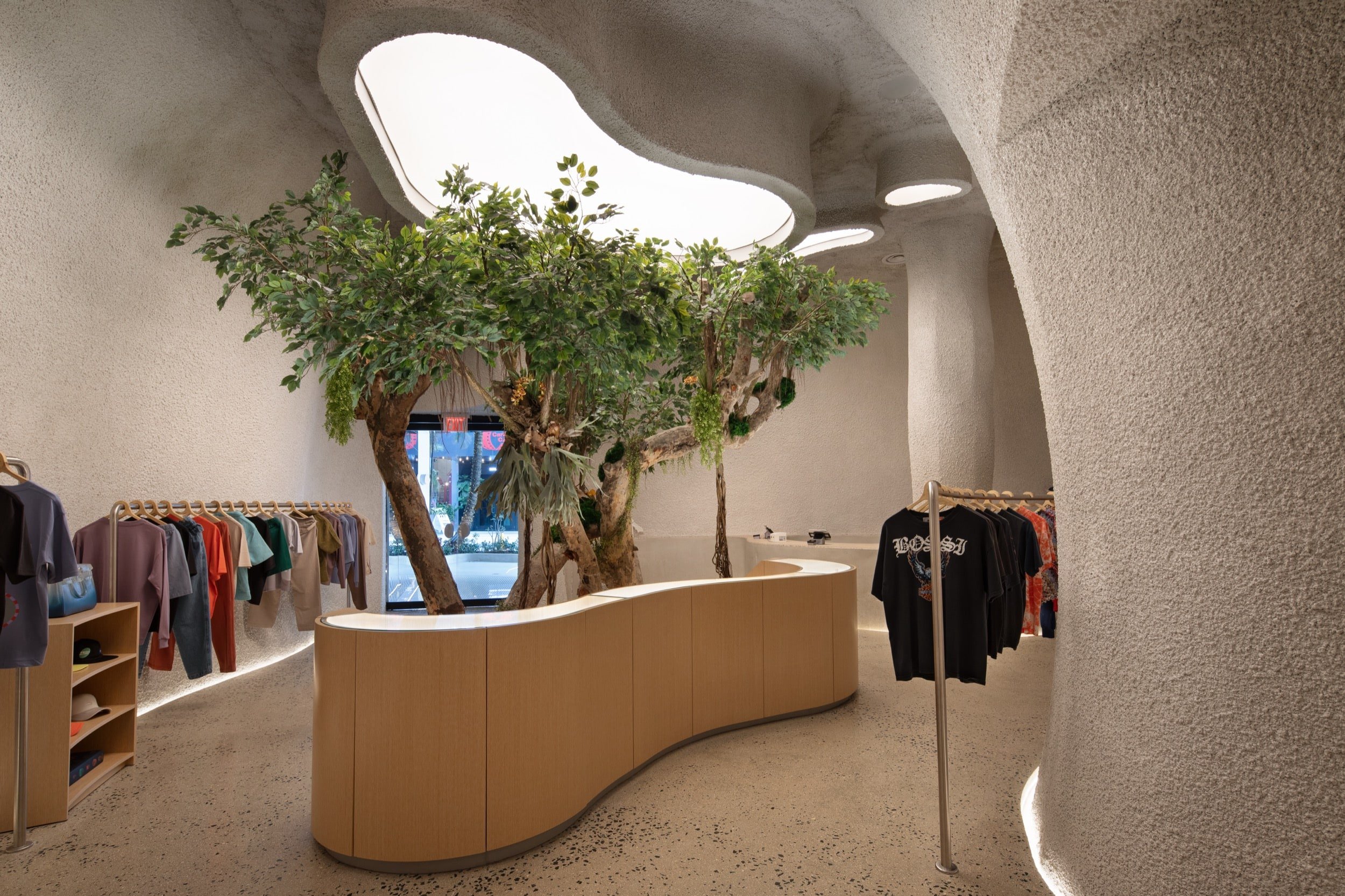
The best time to get in touch with an architectural photographer isn’t always the best time to take the photographs. I like to start the conversation while the project is still coming together. That gives us time to talk through what’s left to finish, how the light moves through the space, and whether there’s an opening, a move-in date, or a publication deadline to work around.
Start Planning Before the Project Is Finished
You don’t need a firm completion date to reach out. A rough timeline, a few site photos or plans, and a sense of which areas you want photographed are enough to get started. When a preliminary visit is possible, I use it to look at what’s taking shape and notice things that are harder to anticipate from drawings: where the afternoon sun lands, how the rooms connect, or which view depends on being able to open a particular set of doors.
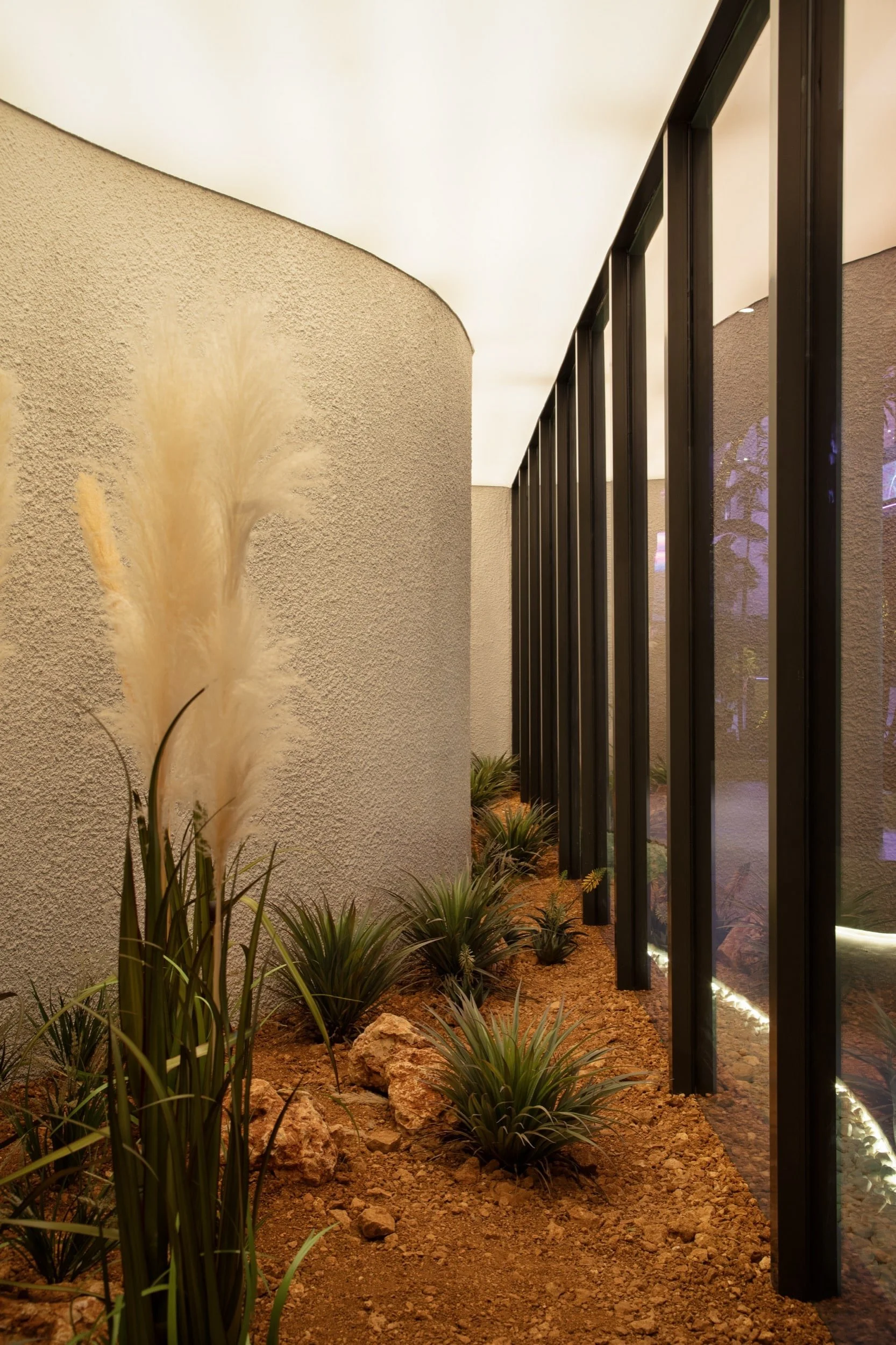
For the shoot itself, I look at what’s ready to be seen. A missing piece of furniture may not affect a photograph of the entry, but an unfinished courtyard can change every view that looks out onto it. If the landscape is central to the design, it may be worth giving it more time. If the interiors are ready and there’s a deadline, photographing them first and returning for the exteriors can make more sense than waiting for everything.
Before Opening or After Move-In?
An empty space gives me more control over timing and framing. For a restaurant, that might mean photographing the dining room before service, when I can move between tables and work with the light without interrupting anyone.
But an occupied space can tell you something an empty one can’t. A person walking through a lobby can give a sense of its scale, and a few people on a terrace can show how naturally it extends the room. When people are part of the photographs, I prefer to plan for that rather than count on whoever happens to be there. The same session can include quiet views of the design and others that show how the space is used.
Let the Light Shape the Schedule
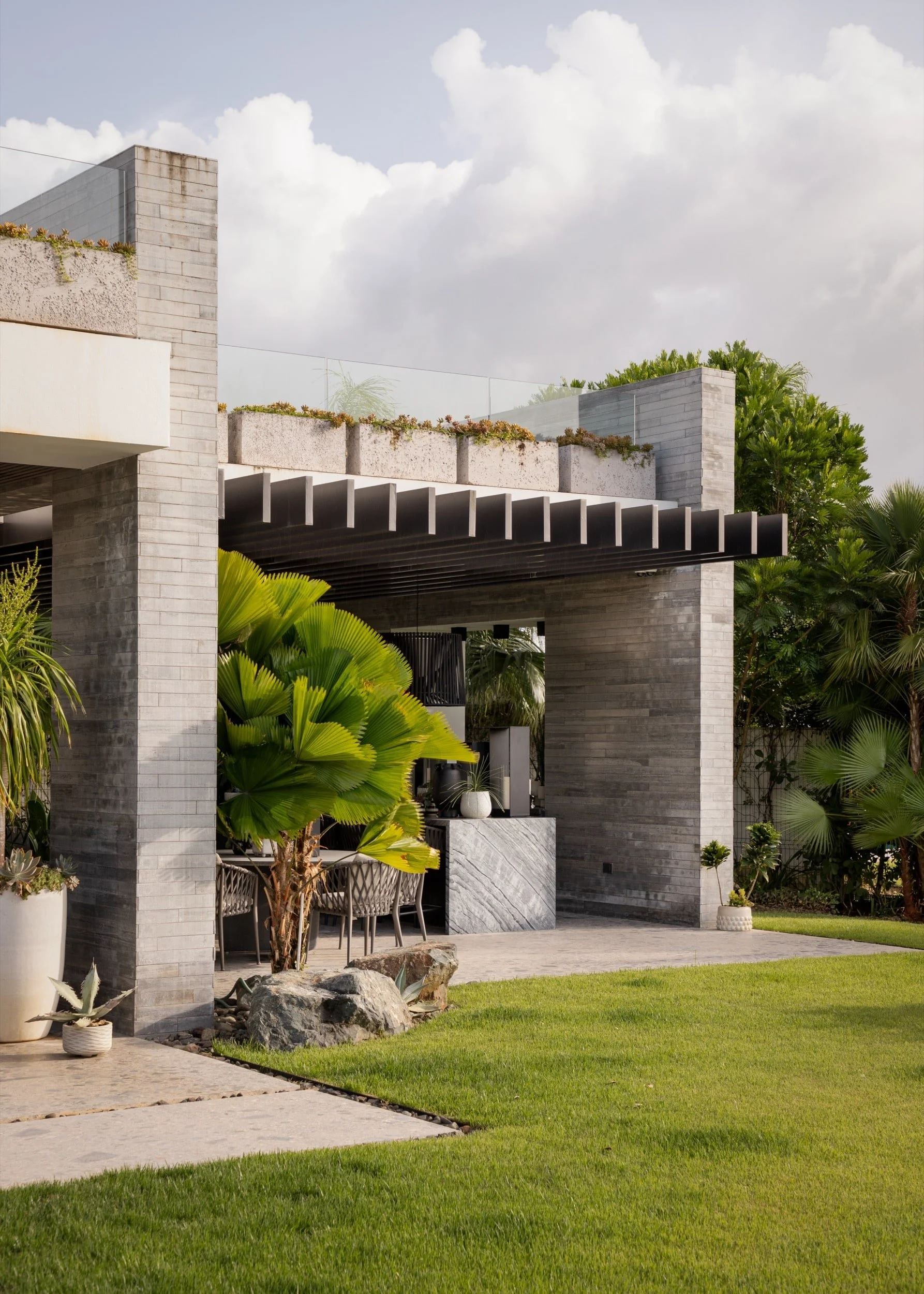
I work with daylight and the lighting already in the space, so the best order for a shoot isn’t always the order you’d walk through the building. I might photograph a room in the morning, move on to another area, and return later when the light has reached a wall or brought out the texture of a finish.
Cloud cover isn’t automatically a reason to reschedule. Soft light can make it easier to photograph a room with large windows without losing the view outside. But if the photograph depends on the shadow an overhang casts, or if rain makes an exterior view impractical, I may switch to interiors and revisit that shot when conditions allow. The question isn’t whether the weather is perfect. It’s whether the light shows what matters about the design.
It’s Not Too Late to Photograph an Older Project
Opening day is only one moment in a building’s life. A hotel refresh or a restaurant remodel is a good reason to update photographs that no longer reflect what’s there. And a project that was never photographed may be worth revisiting years later. A tree that was barely visible at handover might now shade the courtyard, changing how people use it and how I frame it.
If you’re wondering whether a project is ready to photograph, it helps to start with two questions: What needs to be in the frame? And what would change if we waited?
Connect with Paola to Evaluate Your Project's Timeline
About Paola Quevedo Santos
Based in San Juan, Puerto Rico, Paola specializes in architecture and interior photography throughout Puerto Rico, the Caribbean, Miami, and selected projects abroad.
Her approach combines careful observation, thoughtful preparation, and close collaboration with architects and designers to create images that feel honest, refined, and lasting. Every project is photographed with the same respect and attention to detail that went into designing it.
If you're planning an upcoming project and would like to discuss architectural photography, I'd be happy to hear more about your work. Feel free to get in touch to start the conversation.