Choosing an architectural photographer involves more than finding someone whose images are beautiful. The photographs may represent a project for years—on a studio’s website, in presentations, publications, award submissions, and conversations with future clients.
A strong portfolio is the natural place to begin, but it should not be the only consideration. The photographer’s way of observing, planning, collaborating, and interpreting a project will shape how the work is ultimately remembered.
Here are some of the qualities I believe architects and interior designers should consider when choosing a photographer.
Look Beyond Individual Images
A portfolio may contain several impressive photographs, but it is also important to look at complete projects.
A full collection reveals whether the photographer can establish the building, move naturally between spaces, recognize important details, and create a sequence that feels connected. It also shows whether the photographer can adapt to different kinds of architecture without applying exactly the same visual formula to every project.
Pay attention to how the images use perspective, natural light, shadow, material, and scale. The work should help you understand the project rather than simply make each room appear larger or brighter.
Consider How the Photographer Reads Space
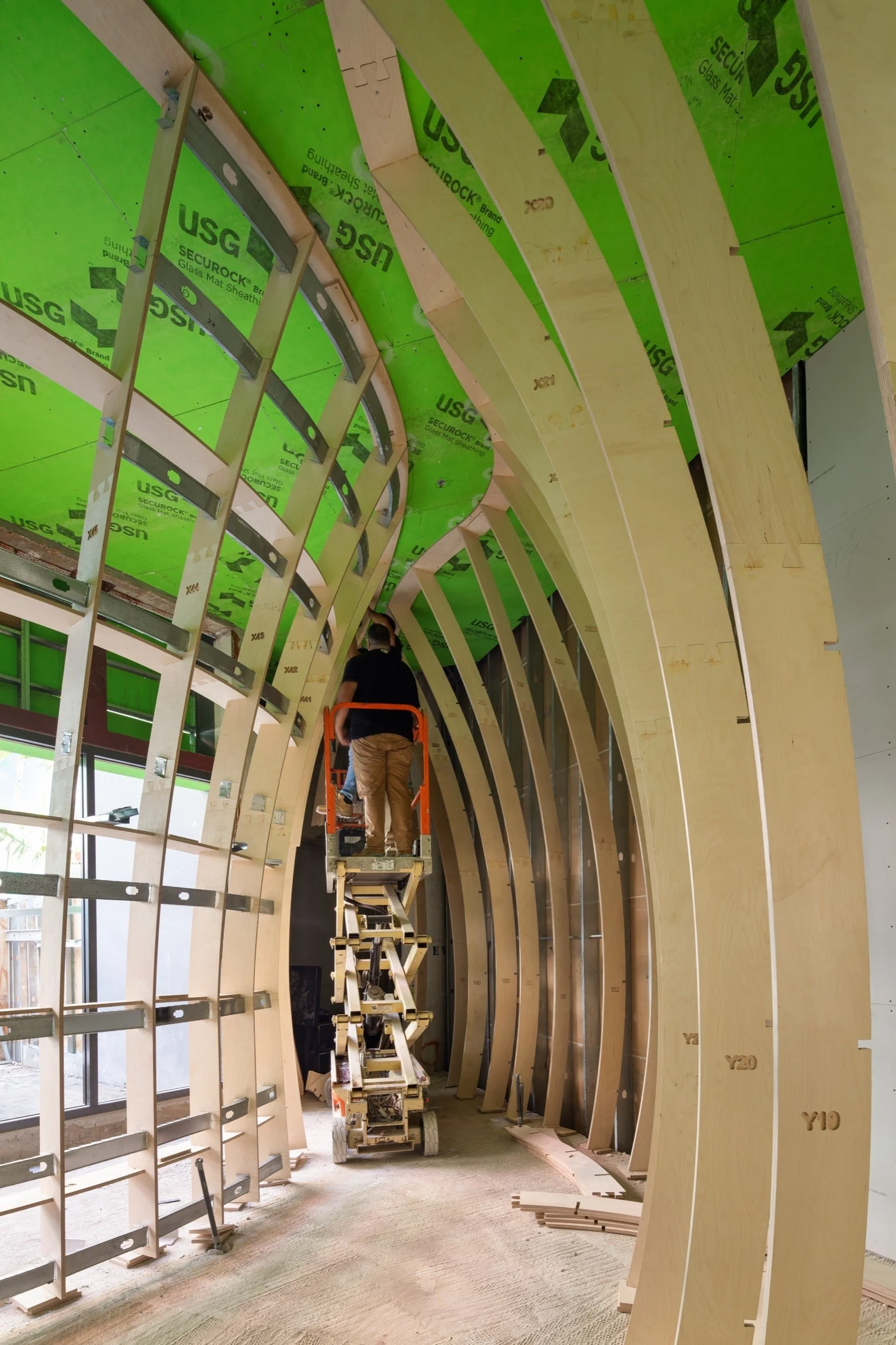
Architectural photography begins before the camera is positioned. A photographer needs to recognize how someone approaches the building, how one area leads into another, and which design decisions give the project its identity.
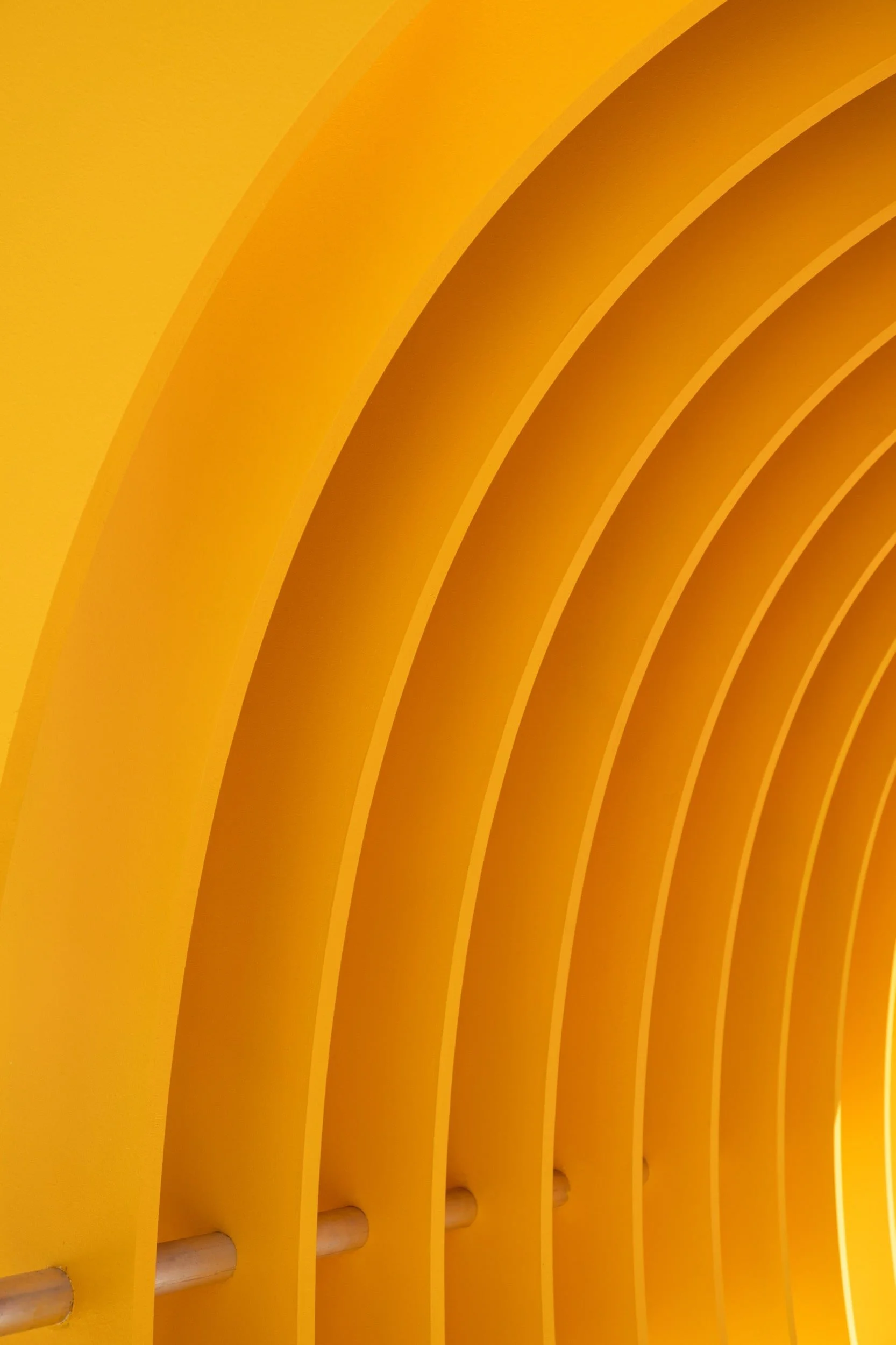
This requires curiosity and careful observation. Sometimes the defining photograph is a broad exterior view. In another project, it may be a framed connection between two rooms, the movement of light across a material, or a quieter detail that explains the larger idea.
Adorno Arquitectos described this quality in my work:
“From the very beginning, she demonstrated a remarkable sensitivity for understanding the project and capturing, through her lens, not only the spaces themselves but also the design intent, the details, and the essence of the architecture.”
A photographer does not need to reproduce the architect’s drawings literally, but should be able to understand the thinking behind the project and translate it into images.
Ask About the Process Before the Session
The final photographs are influenced by decisions made long before the day of the shoot.
Before beginning a project, I ask about the spaces to be photographed, the studio’s scope of work, the intended use of the images, and any particular details or relationships that should receive attention. Whenever possible, I also review photographs, plans, or renderings and recommend a preliminary visit to study the project and its natural light.
This preparation helps determine the best time for each area. A room that feels flat in the morning may come alive in the afternoon, while another may need to be photographed before direct sunlight becomes too strong.
When evaluating a photographer, ask how they prepare, how much time they expect to spend on site, whether they study the light in advance, and how they respond when conditions change during the day.
Look for Care and Professionalism on Site
Architectural and interior photography often takes place in completed homes, hotels, restaurants, offices, and other carefully finished environments. The photographer’s conduct within those spaces matters.
A professional should arrive prepared, work carefully around furnishings and finishes, communicate clearly, and remain flexible as light and conditions change. Patience is especially important because a single composition may require waiting, adjusting small elements, or returning to the same area later in the day.
Neca Design Studio spoke about this part of my process:
“Paola is an exceptionally professional, organized, and reliable photographer who plans every session with great attention to detail... Her images go beyond documenting materials and light—they convey the way people perceive, experience, and inhabit a space.”
The experience of the session should reflect the same care that went into creating the project.
Understand the Approach to Styling
A finished space is designed to be experienced in three dimensions, but the camera translates it into a flat frame. Small adjustments may therefore be needed for the composition to feel balanced.
A chair might be moved slightly to reveal an architectural line. An object may be removed if it overlaps with another element. Curtains, bedding, artwork, or decorative pieces may need subtle attention before a photograph is made.
This is not about redesigning the space for the camera. It is about understanding how objects, materials, and proportions read within a photograph while respecting the original design.
Ask whether styling is part of the photographer’s process, what should be prepared beforehand, and whether the project may require an interior stylist or additional assistance.
Review the Deliverables and Licensing
Before confirming a photographer, the studio should understand what the estimate includes.
Important details may include the approximate number of final images, session length, postproduction, delivery formats, turnaround time, travel, drone photography, and licensing.
The license should also explain who can use the photographs and where they may appear. The architect, interior designer, contractor, owner, hotel, developer, and product manufacturers are separate parties; one company commissioning the session does not automatically grant image usage to everyone involved.
Clarifying this in advance protects both the photographer and the studio and makes it easier for other collaborators to arrange their own usage when needed.
Think About the Relationship Over Time
Consistency becomes especially valuable when a studio works with the same photographer across several projects. Over time, the photographer becomes familiar with the practice’s priorities, visual language, and way of working.
That familiarity can make future sessions more intuitive while creating a portfolio that feels connected, even when the projects vary in scale, location, or style.
Luisel Zayas of Formateria described that relationship:
“Paola is Puerto Rico’s leading architectural and interior photographer... After more than five years of continuous collaboration, we have no interest in looking elsewhere. Instead, we look forward to continuing to build a partnership of the highest caliber.”
The right photographer is not simply someone who can produce a few strong images. It is someone whose way of seeing complements the work and who can help build a thoughtful visual record of the studio over time.
Finding the Right Photographer for Your Project
Technical skill is important, but so are curiosity, sensitivity, patience, and communication. Those qualities influence not only the photographs, but the entire experience of creating them.
Connect with Paola to Evaluate Your Project's Timeline
About Paola Quevedo Santos
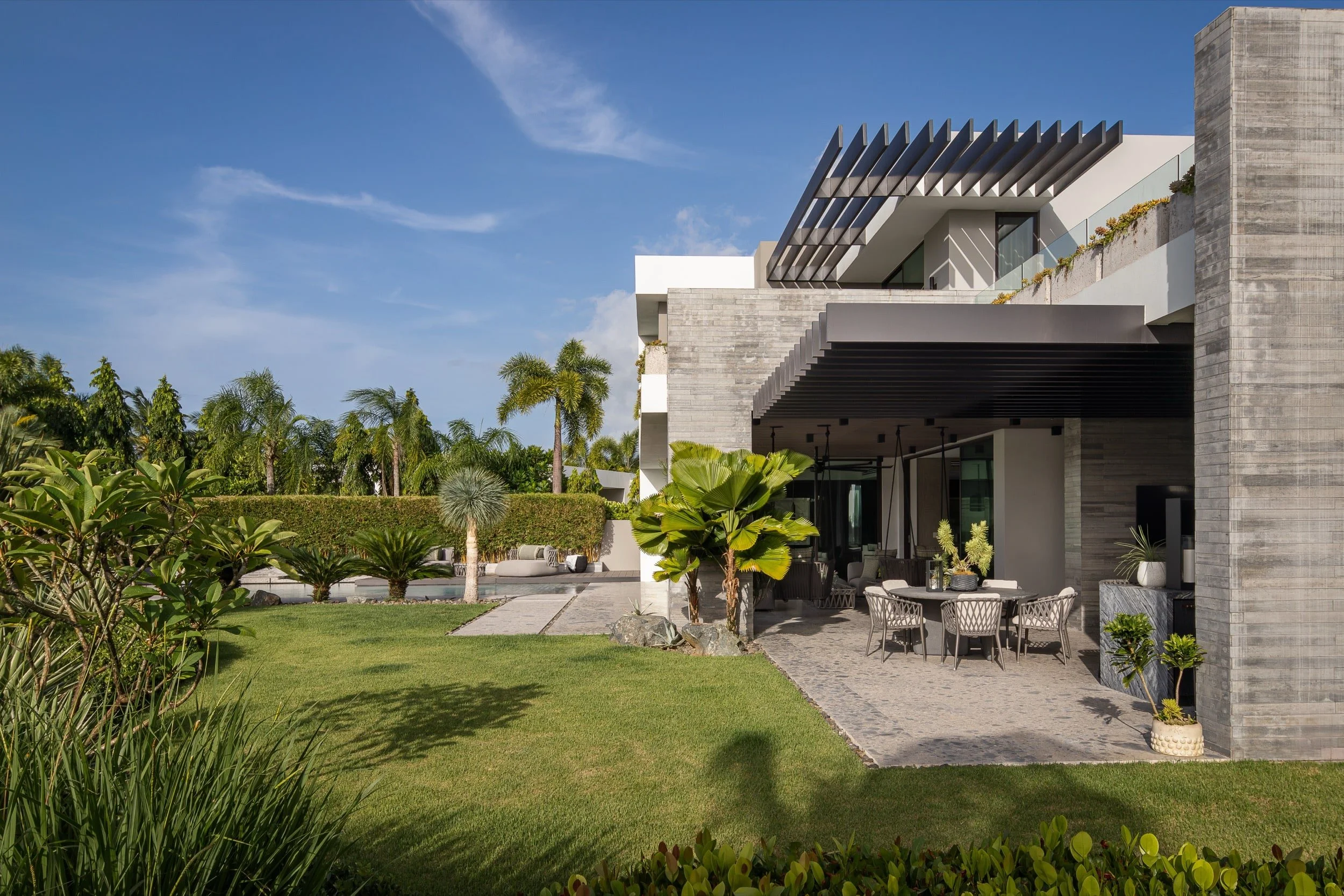
Based in San Juan, Puerto Rico, Paola specializes in architecture and interior photography throughout Puerto Rico, the Caribbean, Miami, and selected projects abroad.
Her approach combines careful observation, thoughtful preparation, and close collaboration with architects and designers to create images that feel honest, refined, and lasting. Every project is photographed with the same respect and attention to detail that went into designing it.
If you're planning an upcoming project and would like to discuss architectural photography, I'd be happy to hear more about your work. Feel free to get in touch to start the conversation.