The Presence of People in Architectural Photography
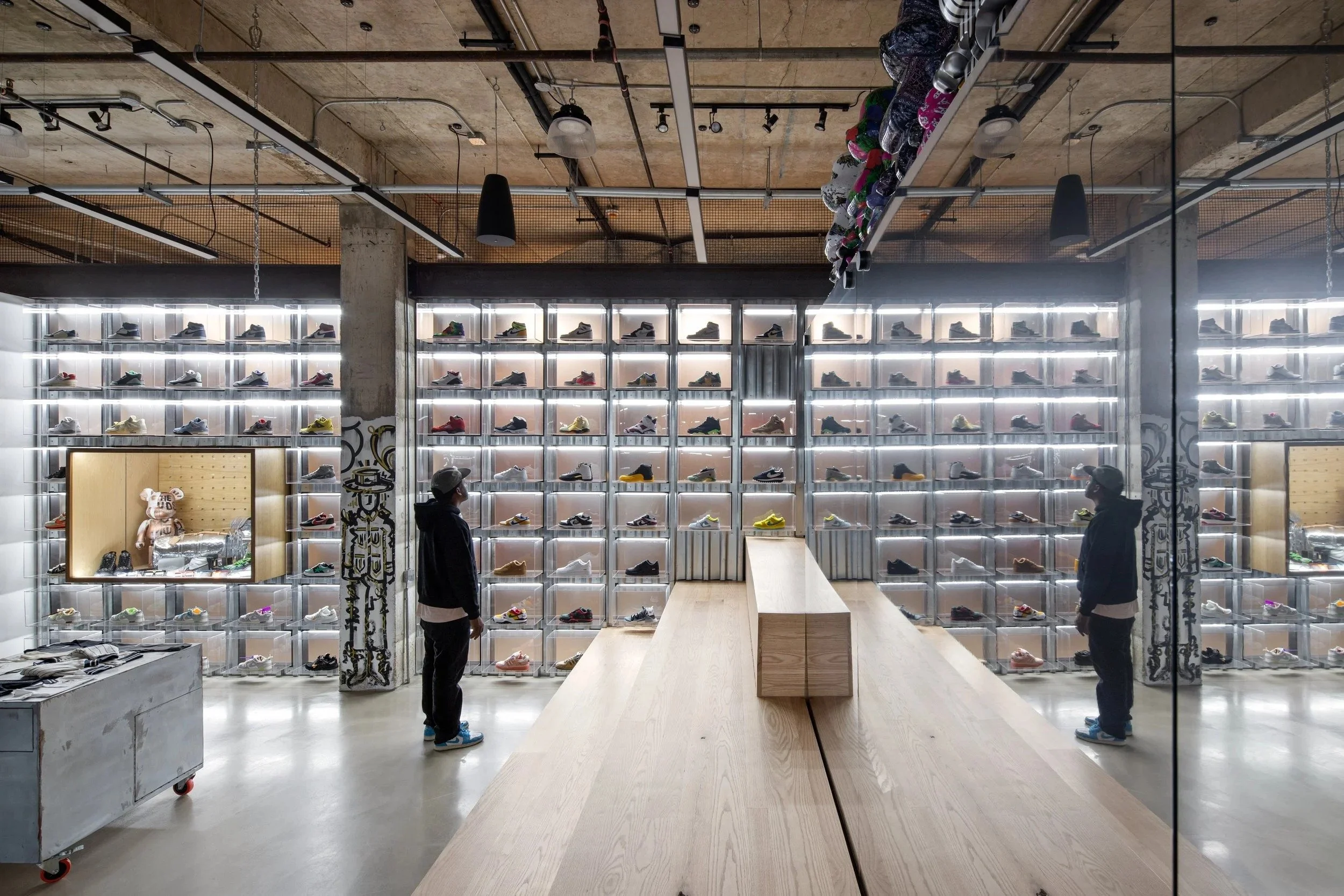
How human presence can reveal scale, movement, and the life of a space.
An architectural photograph does not always need to be empty to feel complete.
Sometimes, a person in the frame is what helps us understand the height of a ceiling, the calm of a courtyard, or the way a space invites us to stay. Human presence can give an image scale, movement, and a sense of life without taking attention away from the architecture.
For me, including people is not about adding “life” in a literal way. It is about deciding what kind of story I want the photograph to tell.
Showing Scale Without Explaining It
In a large space, a person can provide an immediate sense of proportion.
A tall ceiling may feel even more generous when someone walks beneath it. A staircase, courtyard, or facade can become easier to understand when we see the scale of a body in relation to it. The human figure gives the viewer something familiar to measure the space against.
The person does not need to be the subject of the photograph. Sometimes a small silhouette, a figure walking in the distance, or a shadow stretching across a wall is enough to change how we perceive the architecture.
Suggesting Movement
Architecture is experienced through movement, and people can make that idea visible.
Someone crossing a corridor, entering through a doorway, or pausing in front of a view can suggest the sequence of a project. The photograph is no longer only a fixed point of view; it begins to imply a journey through space.
I am especially drawn to subtle movement: a person walking through a room, a figure passing across a terrace, or someone standing quietly where the architecture asks them to stop. These moments can show how a space functions without turning the image into a staged scene.
The Evidence of Use
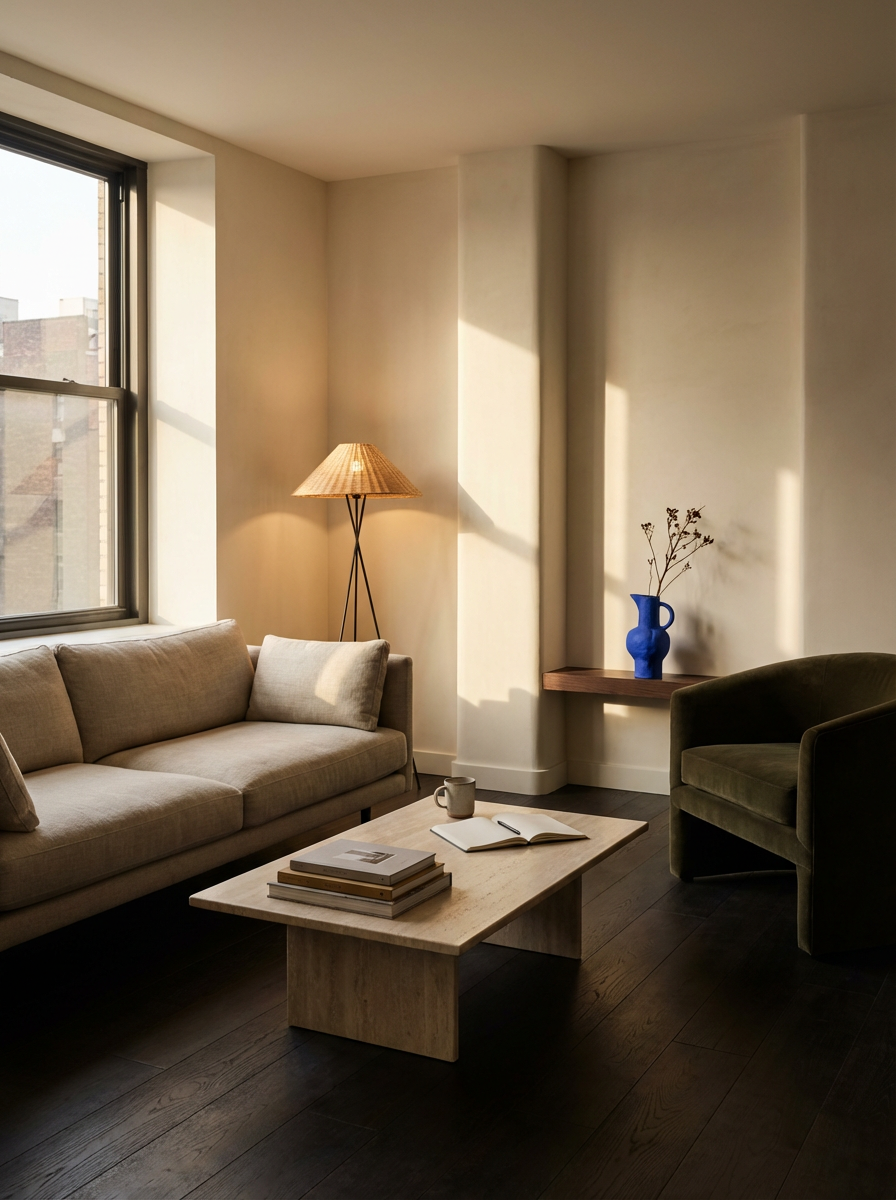
Human presence does not always need to appear physically in the frame.
A cup left on a table, a book resting open on a sofa, a chair pulled slightly away from its place, or a light turned on in another room can suggest that someone was just there. These small traces add warmth and make a space feel inhabited rather than simply displayed.
I like these details because they leave room for the viewer’s imagination. The photograph does not explain everything; it hints at a moment that happened before or may happen after the frame.
When an Empty Frame Is Stronger
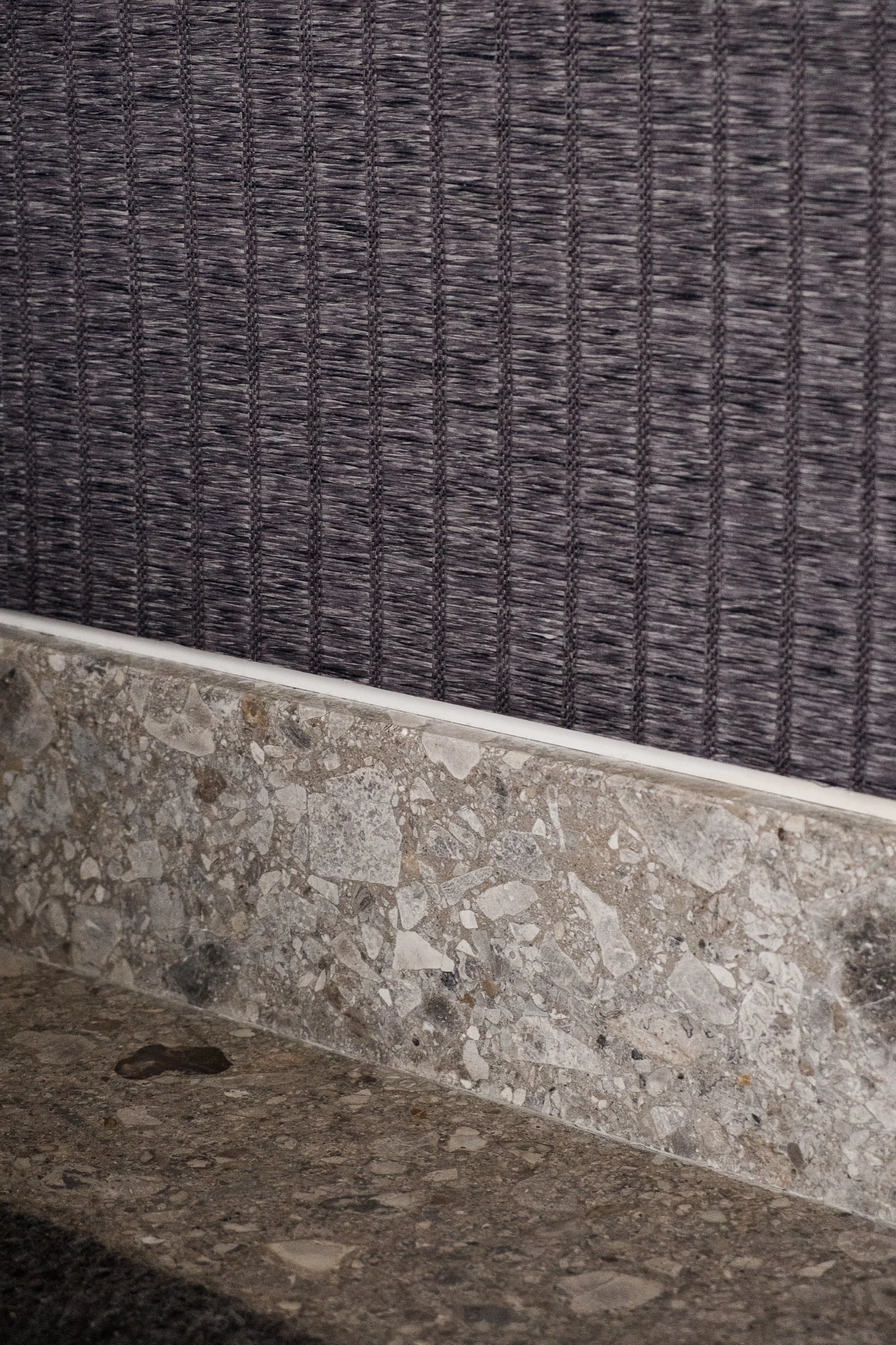
There are also projects where silence is the story.
An empty room can allow light, materials, proportion, and views to breathe. In those cases, adding a person might distract from the clarity of the design or compete with the atmosphere the architect intended to create.
The question is not whether people make a photograph more interesting. It is whether the image needs presence or quiet. Sometimes the strongest photograph is the one that lets the space stand alone.
People as Part of the Architecture
When human presence works well, it does not feel added to the image. It feels connected to the project.
A person can reveal how a space was meant to be used: where a family gathers, how a terrace extends daily life outdoors, how a lobby guides visitors, or how a public bench invites someone to pause. The photograph then communicates something a plan or an empty view cannot fully express on its own.
Architecture is ultimately made for people. Including that relationship, even subtly, can make an image feel more grounded and more human.
A More Human Way of Seeing
Architectural photography does not have to choose between showing a building and showing the life that happens within it.
Sometimes a project is best understood from a distance, in stillness, with no one in the frame. Other times, a human presence is what reveals its scale, movement, and purpose.
For me, finding that balance is part of creating images that do more than document a space. They suggest how it feels to be there.
Initiate a Commission
Your studio’s work deserves a visual archive that reflects the quality, materiality, and intent used to design it. If you are preparing to document your next flagship residential or hospitality project in Puerto Rico or Miami, let’s start a conversation about translating your physical space into a professional architecture photography.
About Paola Quevedo Santos
Based in San Juan, Puerto Rico, Paola specializes in architecture and interior photography throughout Puerto Rico, the Caribbean, Miami, and selected projects abroad.
Her approach combines careful observation, thoughtful preparation, and close collaboration with architects and designers to create images that feel honest, refined, and lasting. Every project is photographed with the same respect and attention to detail that went into designing it.
If you're planning an upcoming project and would like to discuss architectural photography, I'd be happy to hear more about your work. Feel free to get in touch to start the conversation.